


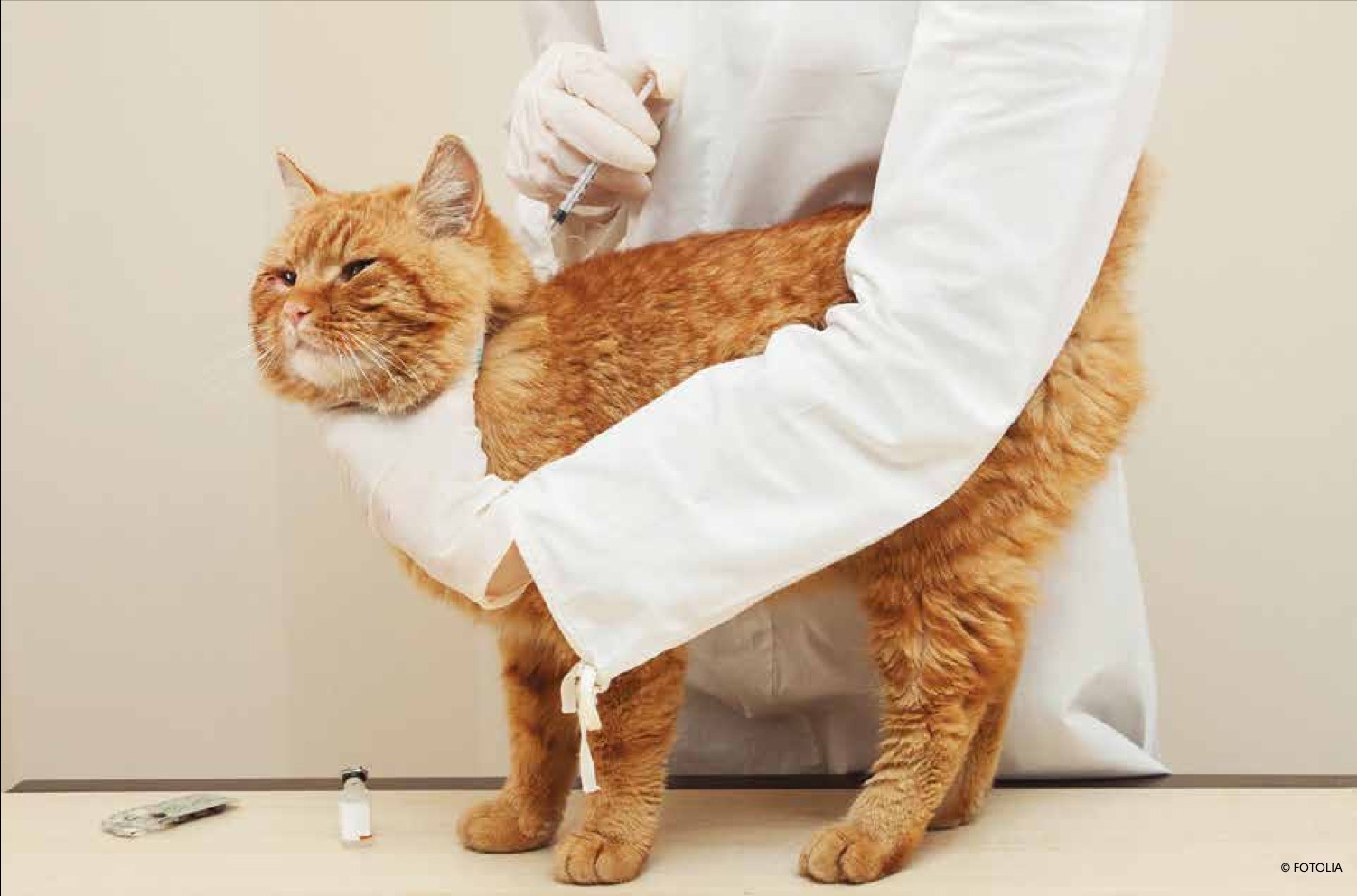
Just like humans, pets are able to receive vaccines to prevent illness. Vaccines have been considered as one of the most effective ways to keep your pet in peak health. Talk to your veterinarian to determine which vaccines will be the most beneficial to your pet.
Vaccines are used to prepare your pet’s immune system to fight incoming diseases. The American Society for the Prevention of Cruelty to Animals reports that these vaccines use an antigen to trick your pet’s immune system into believing a disease is present. An antigen is a toxin that creates a response from an immune system without causing an actual disease. This prepares your pet’s body to recognize and fight off an actual attack of this simulated disease.
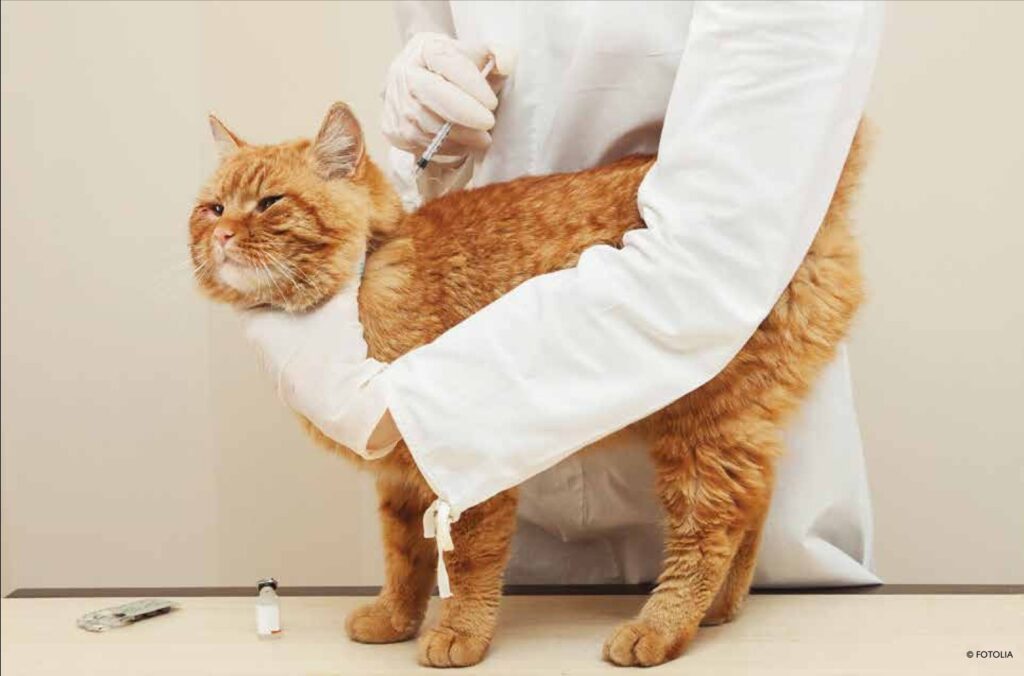
WHEN TO VACCINATE
You will need to talk to your pet’s primary veterinarian to determine the best time to vaccinate. There are different variables that will determine the frequency. These variables include the type of vaccine, your pet’s age, medical history and its lifestyle.
Puppies and kittens receive most of the antibodies they need to fight off disease from their mother’s milk. This means once your pet has been weaned from nursing, it is time to consult a vet and begin vaccines to replace the antibodies they are no longer receiving.
TYPES OF VACCINES
There are certain vaccines that most states require by law. For instance, almost all states require a mandatory rabies vaccine. Some require the vaccine to be administered annually, while some require it every three years. Consult with your vet to determine the requirements of your state’s law.
A case of parvovirus can be deadly for a new puppy. It is recommended to begin your puppy on the anti-parvovirus vaccine between six and eight weeks of age. Other common vaccines for dogs include distemper and canine hepatitis. Cats also are commonly given rabies shots as well as feline leukemia vaccines.
RISKS OF VACCINATING
Giving your pet a vaccination will mildly stimulate its immune system. This may make your pet become a bit sluggish or even cause a slight fever. This is normal, but you can relieve any worry by scheduling a visit with your vet.
The ASPCA states that in most cases, the risks of side effects are much smaller than the risk of the actual disease. Be upfront and clear with your vet about your pet’s medical history before beginning vaccinations.